Microplastics, Holiday Hours & Updates | December Wellness Update
 56
56
A Shot of Wellness – Episode 2
By Dr. Sanam Arora, ND | Dec 10, 2025
Clinic Updates
Holiday Hours
We’ll be closed on Thursday, December 25th and Thursday, January 1st to celebrate the holidays with our families. However, we’ll be open on December 22nd, 23rd, 29th, and 30th if you need to book an appointment before the new year!
Price Update – Effective February 1st, 2026
We want to give you advance notice that our appointment fees will be adjusting on February 1st, 2026:
- Comprehensive Initial Assessment – $245
- 40-minute Follow-Up – $195
- 25-minute Follow-Up – $145
- 10-minute Follow-Up – $85
There has been a significant jump in our professional fees, malpractice insurance, and the overall cost of being able to provide all the services we’re currently offering. The good news is, you still have time to book your consult at current rates!
This Month’s Insight: Microplastics – The Hidden Health Disruptor
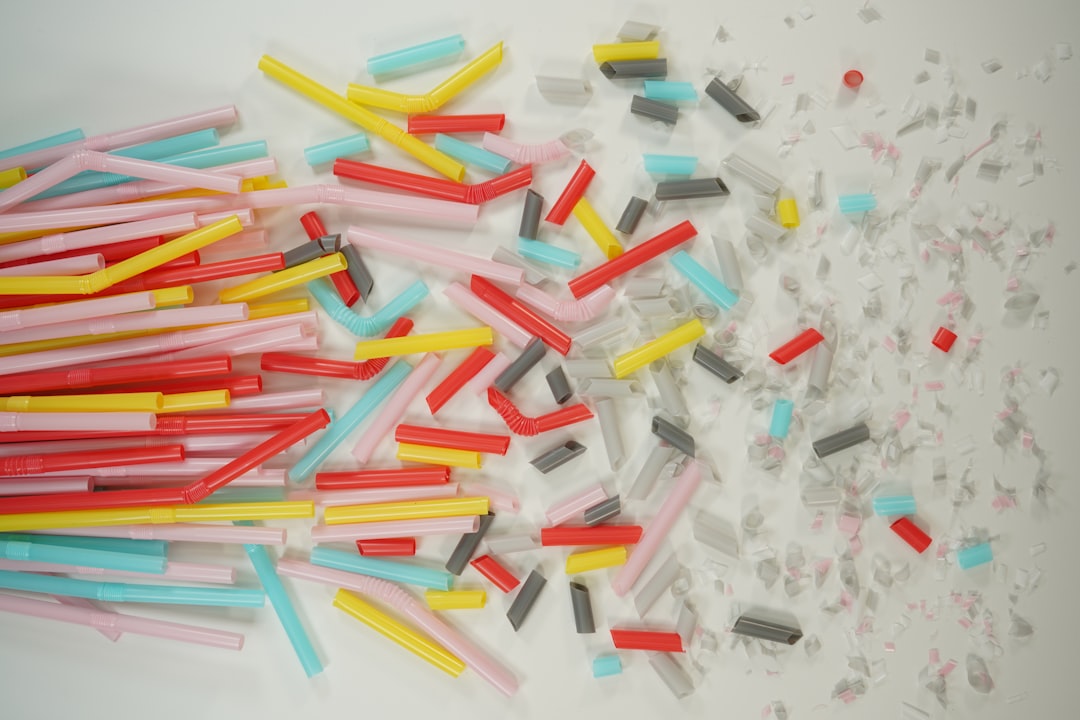
Over the past few months, I’ve been diving deeper into the research on microplastics, and what I’m learning is both concerning and empowering. Microplastics are tiny plastic particles (less than 5mm) that have infiltrated our water, food, and even the air we breathe.
Recent studies have found microplastics in human blood, lungs, placentas, and even breast milk. While research is still emerging, early findings suggest they may contribute to inflammation, hormone disruption, and interference with nutrient absorption—including iron, which can lead to anemia.
The good news? There are simple, practical steps you can take to significantly reduce your exposure.
Here’s how to minimize microplastics in your daily life:
- Filter your water. Use a high-quality water filter (reverse osmosis or activated carbon) to reduce microplastic contamination in drinking water. Avoid drinking from single-use plastic bottles.
- Avoid plastic food containers. Store food in glass or stainless steel, especially when reheating. Never microwave food in plastic, as heat increases plastic leaching.
- Choose natural fibers. Synthetic clothing (polyester, nylon, acrylic) releases microplastics when washed. Opt for cotton, linen, or wool when possible.
- Buy fresh, whole foods. Processed and packaged foods tend to have higher microplastic contamination. Choose fresh produce, bulk items, and foods in glass or paper packaging when possible.
- Support your body’s detox pathways. While we can’t eliminate all exposure, we can support our body’s natural detoxification through adequate hydration, fibre-rich foods, sweating (sauna or exercise), and antioxidant-rich foods like berries, leafy greens, and green tea.
Bottom line: We can’t avoid microplastics entirely, but small, consistent changes can make a meaningful difference in reducing our toxic load.
Wellness Trends: The Rise of De-Influencing
You may have noticed a shift on social media lately—a movement away from constant optimization and toward embracing imperfection. It’s called “de-influencing,” and I’m here for it.
For years, wellness culture has pushed the idea that we need to be perfect: perfect diet, perfect supplements, perfect sleep, perfect morning routine. But the truth is, health doesn’t require perfection—it requires consistency and self-compassion.
Here’s what I want you to remember:
- Missing a workout doesn’t undo your progress.
- Eating pizza doesn’t cancel out your healthy habits.
- Having a bad sleep night doesn’t mean you’ve failed.
Health is built over time through small, sustainable choices—not through rigid rules or guilt. Give yourself permission to be human. Your body will thank you.
Supplement of the Month: LACTOFERRIN
Lactoferrin is a protein naturally found in breast milk and is gaining attention for its impressive health benefits. Here’s what the research shows:
- Supports iron absorption: Lactoferrin binds to iron and helps transport it more efficiently, making it especially helpful for those with anemia.
- Boosts immune function: It has antimicrobial, antiviral, and anti-inflammatory properties that support gut and immune health.
- Promotes gut health: Lactoferrin encourages the growth of beneficial bacteria and helps maintain a healthy gut barrier.
- Reduces inflammation: Studies show it may help with conditions like acne, autoimmune disorders, and chronic infections.
Dosage: Typically 100–300 mg daily, taken on an empty stomach for best absorption.
As always, please speak to your Naturopath before starting any new supplement to ensure it’s right for you.
Friendly Reminder
We’re nearing the end of the year, which means many insurance benefits will be expiring soon. If you’ve been meaning to book a follow-up or new assessment, now’s the perfect time—especially before our price adjustment in February!
To book your next appointment, head over to 8wellness.ca
Wishing you a peaceful, restorative, and joyful holiday season,
Dr. Sanam Arora, ND
8wellness.ca