The Gut–Brain Connection: How Stress and Anxiety Affect Your Digestive Health
Have you ever noticed your stomach tightening before a stressful meeting, or your digestion acting up during periods of anxiety? These experiences aren’t coincidental. The gut and the brain are in constant communication, influencing each other in powerful ways. This relationship, often called the gut–brain connection, plays a critical role in digestive health, emotional well-being, and overall balance in the body.
When stress and anxiety become chronic, they can significantly disrupt digestion, leading to symptoms such as bloating, abdominal pain, irregular bowel movements, and nausea. Understanding how this connection works and how diagnostic testing and naturopathic diagnostic testing can uncover hidden imbalances can be the first step toward lasting digestive relief.
Understanding the Gut–Brain Connection
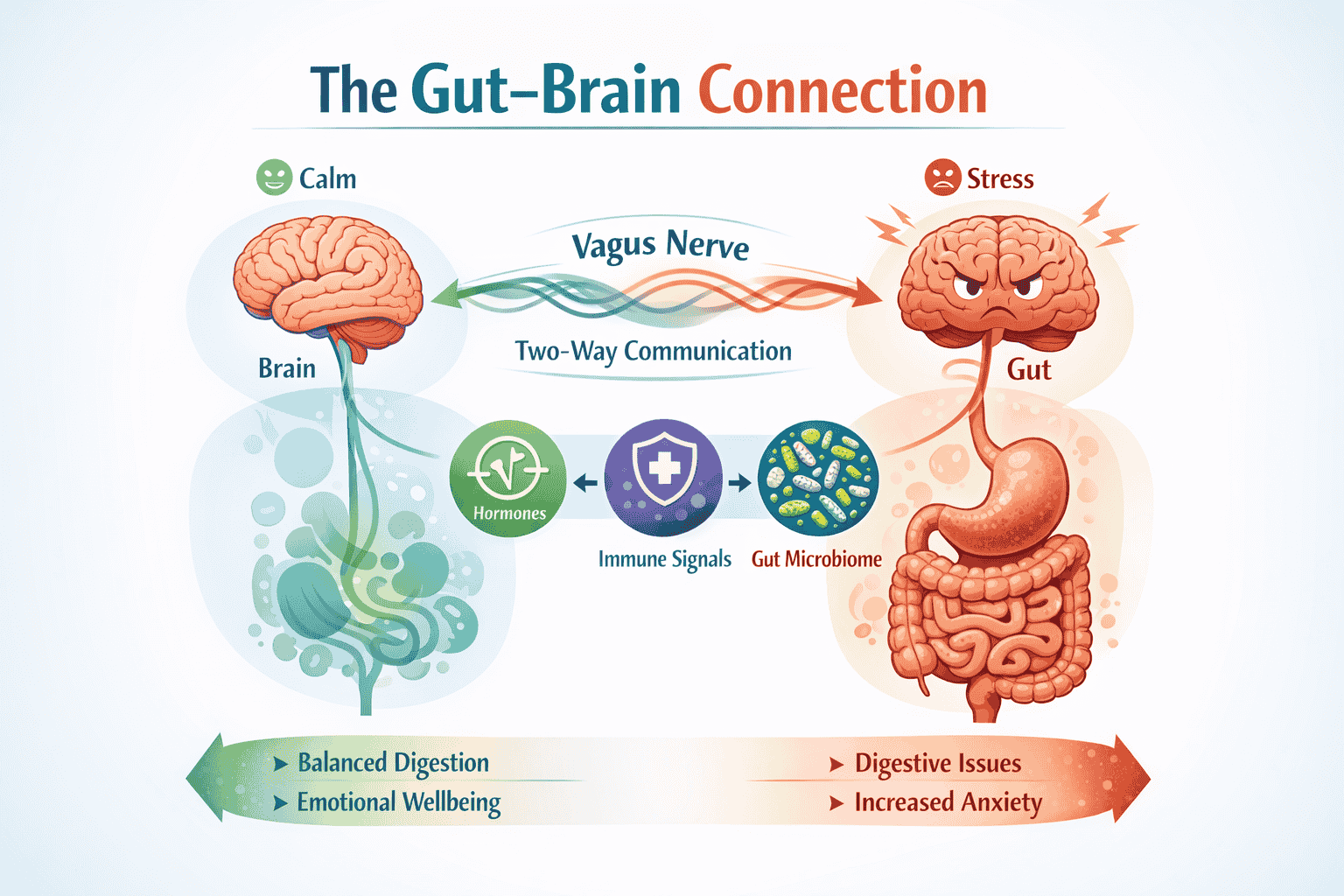
The gut and brain communicate through a complex network known as the gut-brain axis. This system includes the nervous system, hormones, immune signalling, and the gut microbiome. The vagus nerve, one of the body’s primary communication pathways, sends messages back and forth between the digestive tract and the brain in real time.
What makes this connection even more fascinating is that the gut contains its own nervous system, often referred to as the enteric nervous system. This “second brain” helps regulate digestion independently but remains closely influenced by emotional and psychological states.
When stress or anxiety arises, the brain sends signals that can alter digestion almost instantly.
How Stress Affects Digestive Function
Stress triggers the body’s “fight or flight” response, releasing hormones like cortisol and adrenaline. While this response is useful in short-term emergencies, prolonged stress can disrupt normal digestive processes.
Common digestive effects of chronic stress include:
- Slowed or rushed digestion
- Reduced stomach acid and enzyme production
- Changes in gut motility, leading to constipation or diarrhea
- Increased gut inflammation
- Altered gut bacteria balance
Over time, these changes can contribute to ongoing digestive discomfort and make symptoms more difficult to resolve without addressing the underlying cause.
Anxiety and the Digestive System
Anxiety often amplifies digestive symptoms. The gut is highly sensitive to emotional signals, and persistent anxiety can heighten the perception of pain and discomfort in the digestive tract.
People with anxiety may experience:
- Frequent bloating or gas
- Stomach cramps or nausea
- Urgency to use the bathroom
- Loss of appetite or overeating
- Worsening symptoms during stressful situations
This creates a cycle: digestive symptoms increase anxiety, and anxiety further disrupts digestion. Breaking this cycle requires a deeper understanding of what’s happening inside the body.
The Role of the Gut Microbiome
The gut microbiome, the trillions of bacteria living in the digestive tract, plays a major role in the gut–brain connection. These microbes help produce neurotransmitters such as serotonin, which influences mood, sleep, and digestion.
Chronic stress can negatively affect the microbiome by:
- Reducing beneficial bacteria
- Increasing harmful or inflammatory microbes
- Weakening the gut lining
- Disrupting immune responses
When the microbiome is out of balance, digestive symptoms and emotional distress often go hand in hand.
Why Symptoms Are Often Overlooked
Many people are told that stress-related digestive issues are “just IBS” or that anxiety is the main cause of their symptoms. While stress and anxiety are important factors, they are rarely the whole story.
Without proper diagnostic testing, underlying contributors such as gut infections, food sensitivities, inflammation, or enzyme deficiencies may go undetected. This is why symptoms often persist despite dietary changes or stress-management techniques alone.
How Diagnostic Testing Supports Gut–Brain Health
Functional and naturopathic approaches emphasize identifying root causes rather than managing symptoms alone. Through targeted diagnostic testing, practitioners can uncover imbalances that connect stress, anxiety, and digestion.
Comprehensive Stool Testing
This test evaluates gut bacteria, inflammation markers, digestion efficiency, and the presence of pathogens. It helps determine whether microbiome imbalances are contributing to both digestive symptoms and mood disturbances.
Food Sensitivity Testing
Delayed food sensitivities can trigger gut inflammation and worsen anxiety symptoms. Naturopathic diagnostic testing can identify problematic foods, allowing for personalized dietary adjustments.
SIBO Breath Testing
Stress can alter gut motility, increasing the risk of small intestinal bacterial overgrowth (SIBO). Breath testing helps detect this condition, which commonly causes bloating and discomfort after meals.
Inflammation and Gut Permeability Testing
Chronic stress may weaken the gut lining, allowing inflammatory compounds to enter the bloodstream. Diagnostic testing can assess gut permeability and inflammation levels.
By using these tools, practitioners can connect the dots between emotional stress and physical symptoms.
The Naturopathic Perspective on Healing the Gut–Brain Axis
Naturopathic diagnostic testing is combined with a holistic understanding of lifestyle, nutrition, stress, and mental health. Treatment plans are personalized and may include:
- Nutritional strategies to support gut and brain health
- Herbal or nutritional supplements
- Probiotics or microbiome support
- Stress regulation techniques such as mindfulness or breathwork
- Lifestyle changes to improve sleep and nervous system balance
This integrative approach supports both digestive function and emotional resilience.
Why Addressing Root Causes Matters
Managing stress alone may reduce symptoms temporarily, but lasting improvement often requires addressing what stress has disrupted inside the body. When digestion improves, many people also notice reduced anxiety, better mood stability, and increased energy.
Functional medicine recognizes that the gut and brain heal together. By identifying underlying imbalances through diagnostic testing, treatment becomes more targeted and effective.
Who Should Consider Gut–Brain Diagnostic Testing?
You may benefit from functional or naturopathic testing if you:
- Experience digestive symptoms that worsen with stress or anxiety
- Have been diagnosed with IBS, but still struggle with symptoms
- Notice mood changes alongside gut discomfort
- Have tried diet changes without long-term success
- Want a personalized, root-cause approach to digestive health
Frequently Asked Questions (FAQ)
1. Can stress really cause digestive problems?
Yes. Chronic stress affects gut motility, digestion, inflammation, and gut bacteria, all of which can lead to ongoing digestive symptoms.
2. What is the gut–brain axis?
The gut–brain axis is the communication network between the digestive system and the brain, involving nerves, hormones, immune signals, and gut bacteria.
3. How does diagnostic testing help with stress-related digestive issues?
Diagnostic testing identifies underlying imbalances such as dysbiosis, inflammation, food sensitivities, or SIBO that may worsen digestive symptoms during stress.
4. What is naturopath diagnostic testing?
Naturopathic diagnostic testing uses functional lab assessments to evaluate digestion, gut health, and inflammation, helping create personalized treatment plans.
5. Can improving gut health reduce anxiety?
Yes. Supporting the gut microbiome and reducing inflammation can positively impact mood, stress response, and emotional well-being.
6. Is testing necessary for everyone with digestive symptoms?
Not always, but testing is especially helpful for chronic or unexplained symptoms that don’t improve with basic dietary or lifestyle changes.
Final Thoughts
The gut–brain connection reminds us that digestive health is not separate from mental and emotional well-being. Stress and anxiety can deeply influence digestion, while gut imbalances can affect mood and resilience.
Through advanced diagnostic testing and naturopathic diagnostic testing, it’s possible to uncover the hidden drivers behind this connection and create a plan that supports both the mind and the gut. Addressing these root causes can lead to meaningful, lasting improvements in digestive comfort and overall health.