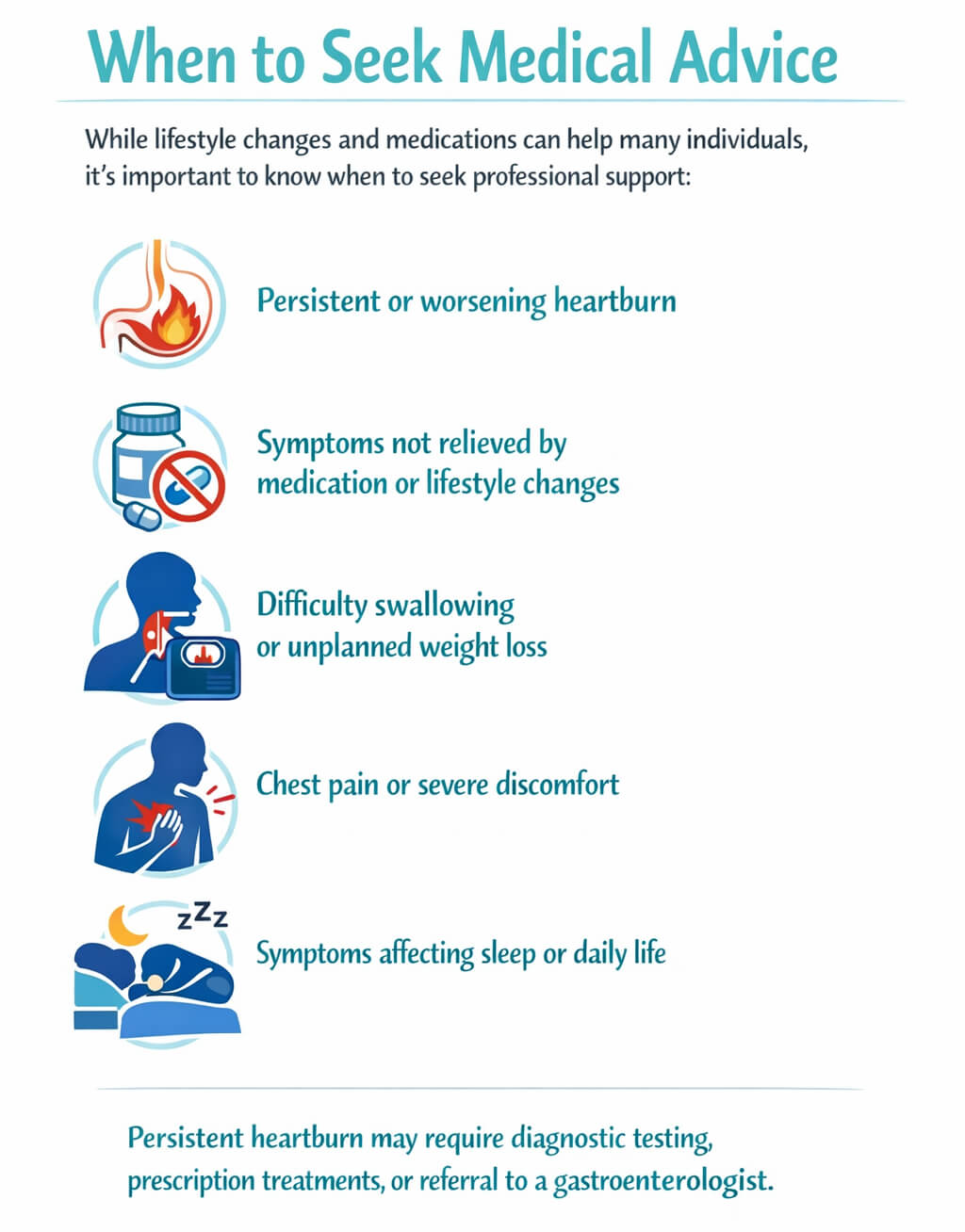

Daily use of certain medications (like PPIs) can be appropriate for chronic symptoms, but long-term use should be monitored by a healthcare provider.
Heartburn and acid reflux are common digestive complaints that affect millions of Canadians every year. Although many people experience occasional heartburn, frequent or persistent symptoms can impact quality of life and may signal an underlying condition like gastroesophageal reflux disease (GERD). At 8 Wellness, our goal is to provide comprehensive, patient-centred care that goes beyond symptom relief to support long-term digestive wellness.
In this service page, we’ll explore what heartburn and acid reflux are, the causes, symptoms, treatment options, including heartburn medication and medication for acid reflux, lifestyle interventions, and when to seek professional care.
What Is Heartburn & Acid Reflux?
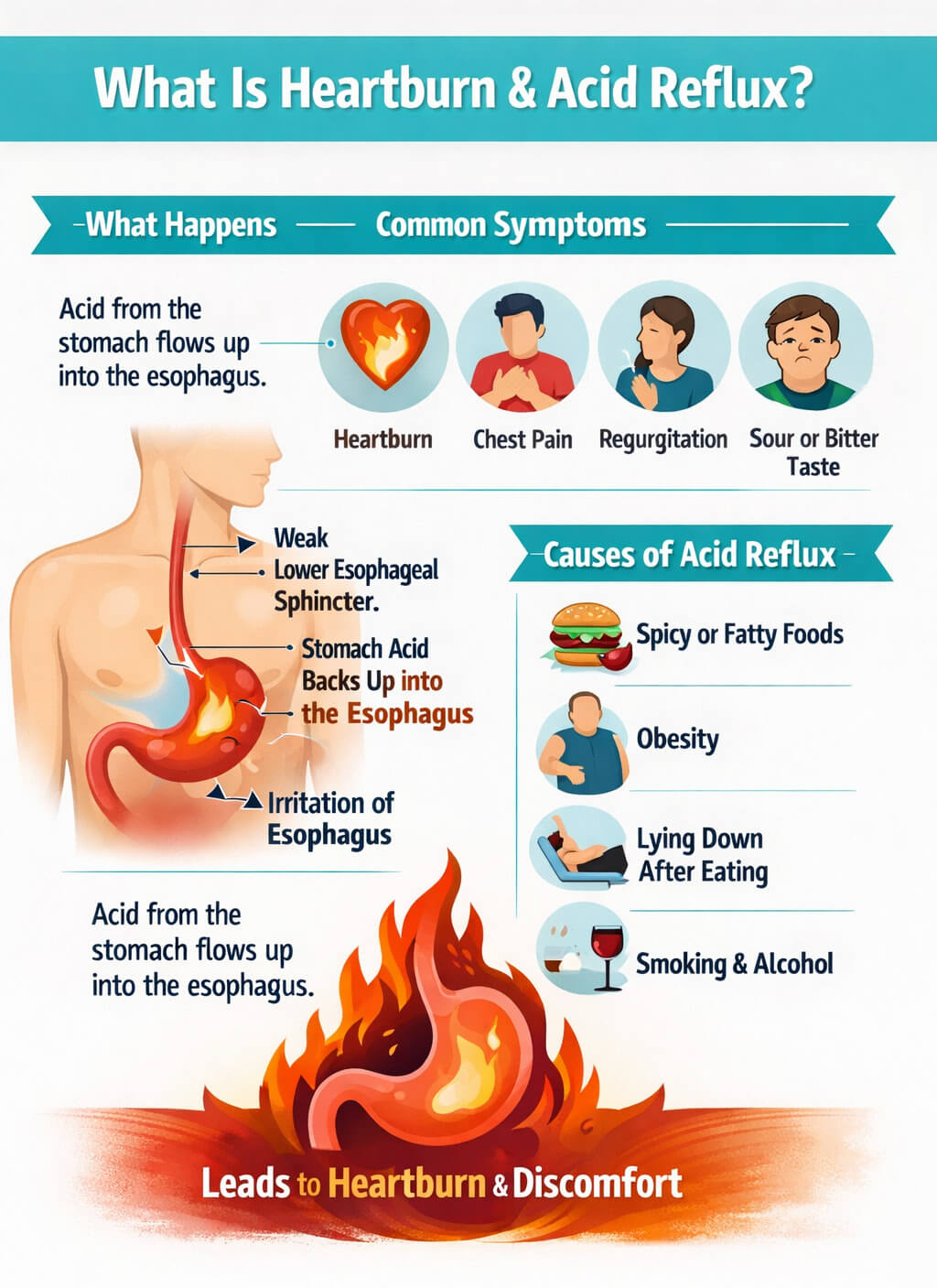
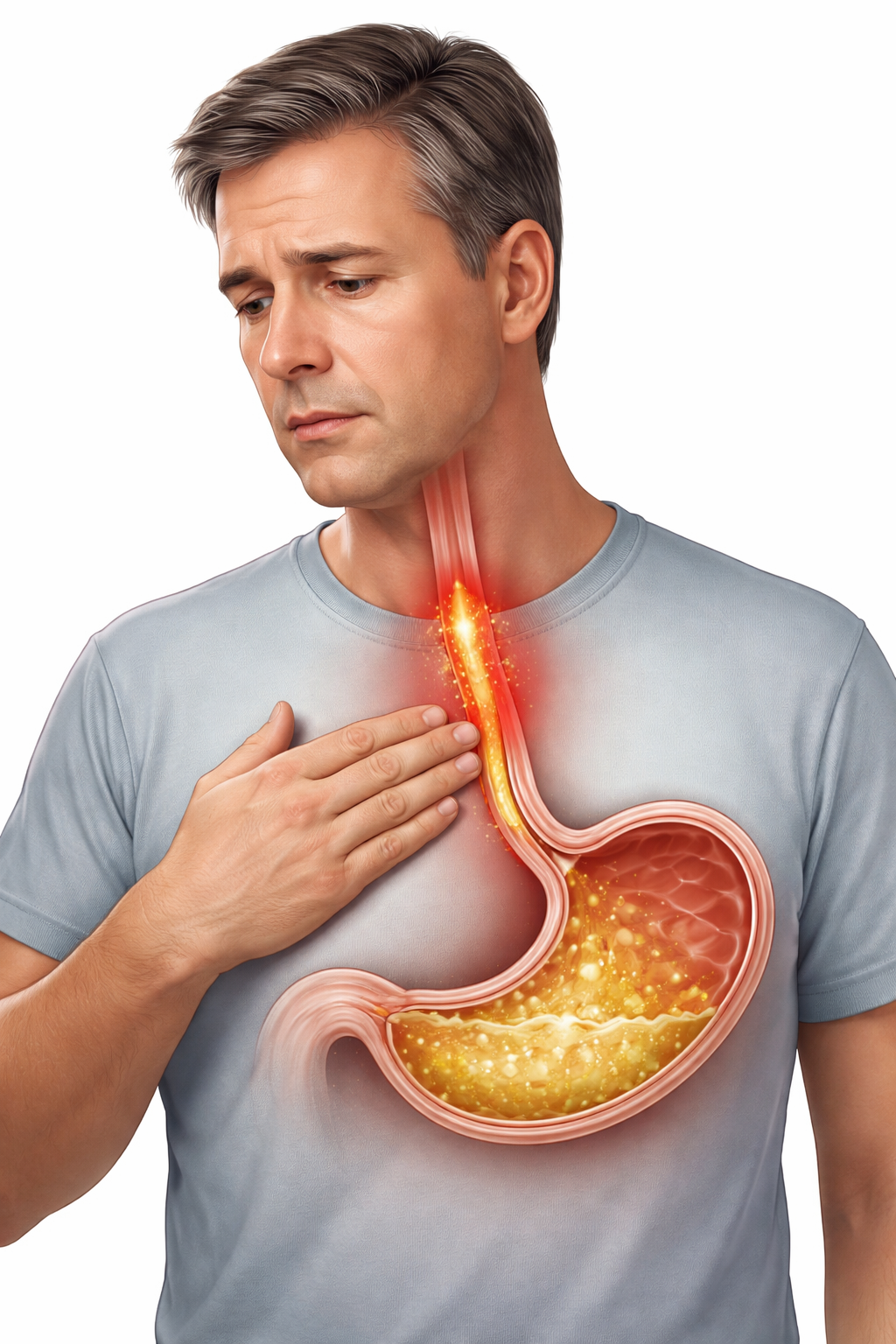
Heartburn is a burning sensation in the chest or throat caused by stomach acid moving up into the esophagus, a process known as acid reflux. When this reflux happens frequently (two or more times a week), it may be classified as GERD (Gastroesophageal Reflux Disease) a chronic digestive condition that may require ongoing management.
The lower esophageal sphincter (LES) normally acts as a barrier to keep stomach contents where they belong. If this muscle weakens or relaxes inappropriately, acid can travel upwards and irritate the esophagus, causing discomfort.
Common Symptoms
Symptoms of heartburn and acid reflux can vary in frequency and intensity. Common signs include:
- A burning sensation behind the breastbone or in the throat
- Sour or bitter taste in the mouth
- Regurgitation of food or stomach acid
- Burping, nausea, or bloating
- Difficulty swallowing
- Chronic cough, hoarseness, or throat irritation
If symptoms occur more than two or three times per week, this may indicate GERD, which can lead to inflammation of the esophagus or other complications if left untreated.
What Causes Acid Reflux & Heartburn?
Heartburn isn’t caused by a single factor, it’s often the result of multiple lifestyle and physiological elements combining to challenge digestive function. Some common causes include:
- Eating large meals or lying down soon after eating
- Certain foods and beverages (e.g., spicy foods, chocolate, coffee, alcohol)
- Smoking and tobacco use
- Obesity or abdominal pressure
- Certain medications that relax the LES or irritate the digestive tract
- Reduced digestive function or delayed gastric emptying
Understanding these triggers is critical to effectively managing symptoms and planning a comprehensive treatment approach.
Understanding Treatment: Heartburn Medication and Beyond
When symptoms become frequent or disruptive, many people turn to heartburn medication or medication for acid reflux for relief. Medications can help reduce acid production, neutralize stomach acid, and improve symptom control. However, the choice of treatment depends on the severity and frequency of symptoms, overall health, and long-term goals for digestive well-being.
1. Over-The-Counter (OTC) Heartburn Medications
For occasional heartburn, OTC options are widely available and may provide effective short-term relief.
Common categories include:
- Antacids – Neutralize stomach acid and provide fast relief for mild heartburn symptoms. Examples include calcium carbonate products like TUMS.
- H2 Blockers – Reduce acid production and are useful for mild to moderate symptoms.
- Proton Pump Inhibitors (PPIs) – Strong acid reducers often prescribed for frequent or severe heartburn and GERD. Examples include omeprazole and lansoprazole.
These medications can be effective, but they don’t address the underlying causes of reflux and long-term use may carry risks such as nutrient absorption issues or changes in gut flora ,especially with prolonged use of PPIs.
Canadian Context: Medication Use and Safety
Medications like PPIs are widely used in Canada for treating heartburn, acid reflux, and ulcers. Health Canada reviews the safety of these medications and monitors adverse reactions to ensure they remain safe for use. There are also guidelines discussing best practices and when deprescribing might be appropriate to avoid unnecessary long-term use.
While these medications provide symptom relief and help the esophagus heal, their long-term use should be carefully evaluated with a healthcare provider to balance benefits against risks.
Lifestyle Modifications: The First Line of Defence
Medications are only one piece of the puzzle. For many individuals, changes to daily habits can significantly reduce the frequency and severity of symptoms:
Diet and Eating Habits
- Avoid trigger foods such as spicy foods, acidic fruits, chocolate, caffeinated beverages, and alcohol
- Eat smaller meals more frequently
- Avoid eating within 2–3 hours of bedtime
- Maintain adequate hydration
Behavioural and Lifestyle Strategies
- Elevate the head of the bed to help reduce nighttime reflux
- Wear loose-fitting clothing
- Avoid smoking and reduce alcohol intake
- Maintain a healthy weight
These changes not only improve heartburn symptoms but also promote overall digestive health.
In addition to this, there are lots of natural remedies (supplements, botanicals, and homemade remedies) that can support reflux and GERD.
Holistic & Integrative Care at 8 Wellness
At 8 Wellness, we offer a comprehensive approach that includes:
Personalized Digestive Assessments
We begin with a complete health evaluation to understand your symptoms, medical history, triggers, and overall digestive health. We then suggest further testing if required.
Root Cause Identification
Rather than simply treating symptoms with medication, we explore digestive function, food sensitivities, stress levels, microbiome balance, and meal timing to uncover underlying contributors.
Nutritional Guidance
We design personalized dietary plans that support optimal digestive processes and reduce symptom triggers.
Supplement Recommendations
Your naturopathic doctor may also suggest evidenced based supplements and herbs to minimize your symptoms while also addressing the root cause.
Lifestyle Support
This may include stress-management strategies, sleep support, and behavioural changes to enhance healing and improve quality of life.
Collaboration with Healthcare Providers
If you are already using heartburn medication, our team works collaboratively with physicians, dietitians, and pharmacists to ensure treatments are safe and well-coordinated.