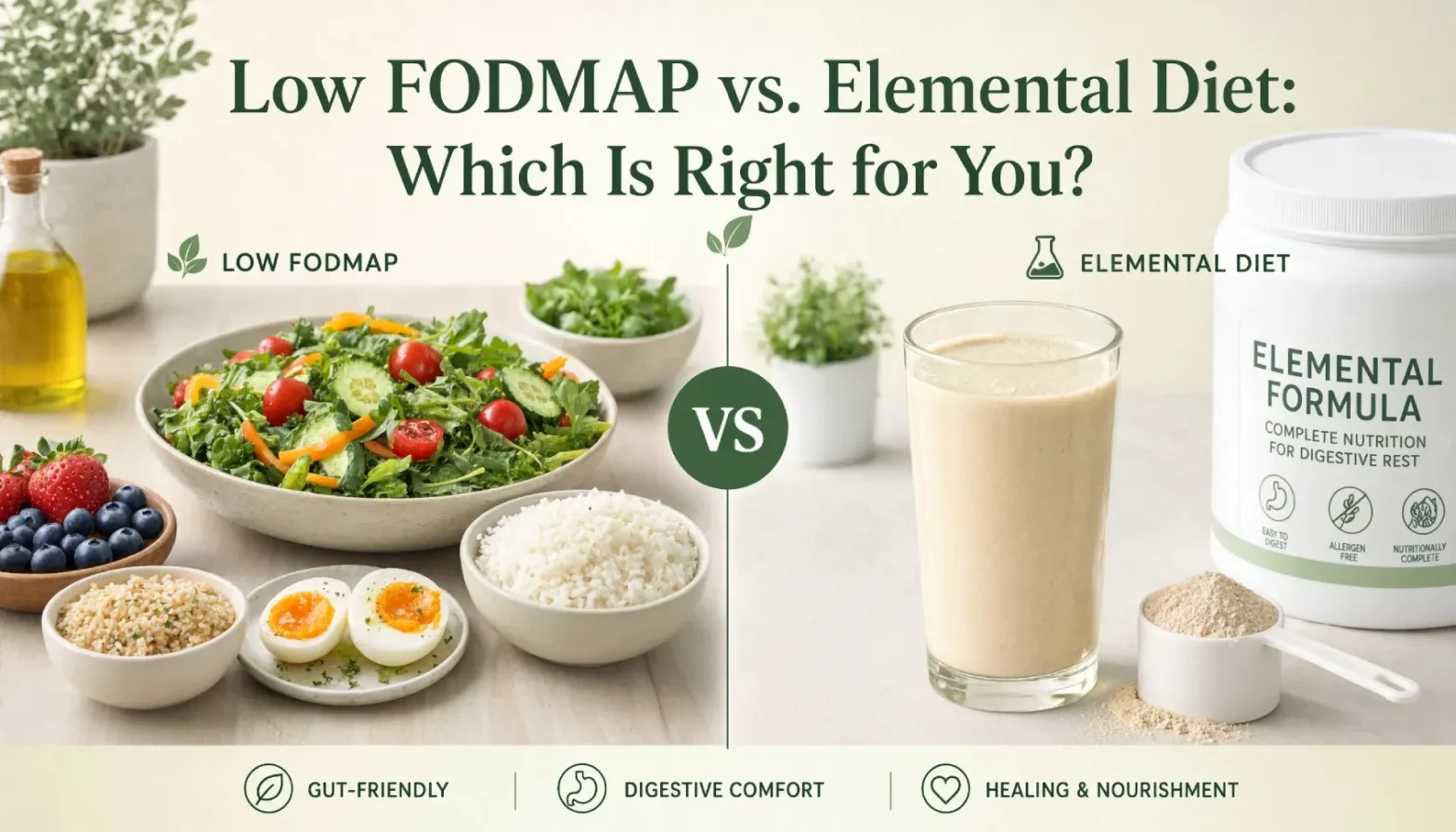
Low FODMAP vs. Elemental Diet: Which Is Right for You?
 82
82
Digestive issues like bloating, gas, abdominal pain, diarrhea, and constipation can make everyday life uncomfortable. If you’ve been searching for ways to improve your gut health, you’ve probably come across two common dietary approaches: the Low FODMAP diet and the Elemental Diet.
While both are used to manage digestive symptoms, they serve different purposes and aren’t interchangeable. Choosing the wrong approach may not provide the relief you’re looking for and could even make it harder to identify the root cause of your symptoms.
In this guide, we’ll explain how each diet works, who may benefit from it, and when it’s time to seek professional support from a digestive health clinic Toronto residents trust.
Understanding the Low FODMAP Diet
The Low FODMAP diet is a short-term eating plan designed to reduce foods that are difficult for some people to digest. FODMAPs are certain carbohydrates that can ferment in the gut, leading to bloating, gas, stomach pain, and changes in bowel habits.
The diet has three stages:
- Elimination: High-FODMAP foods are removed for several weeks.
- Reintroduction: Foods are gradually added back one at a time.
- Personalization: A long-term eating plan is created based on your individual tolerance.
The goal isn’t to eliminate these foods forever. Instead, it’s about identifying which foods trigger your symptoms while maintaining the most varied diet possible.
Who May Benefit?
A Low FODMAP diet is commonly recommended for people experiencing:
- Irritable Bowel Syndrome (IBS)
- Frequent bloating
- Excessive gas
- Abdominal discomfort
- Functional digestive disorders
Research has shown that many people with IBS experience noticeable symptom improvement when following this diet under professional guidance.
What Is an Elemental Diet?
An Elemental Diet is very different from a Low FODMAP diet. Instead of eating regular meals, you consume specially formulated liquid nutrition that contains nutrients in their simplest form. Because these nutrients require very little digestion, the digestive system gets a chance to rest while the body still receives essential calories, protein, vitamins, and minerals.
Healthcare providers may recommend an Elemental Diet in certain situations, particularly for individuals with Small Intestinal Bacterial Overgrowth (SIBO) or other complex digestive conditions when clinically appropriate.
Unlike a Low FODMAP diet, an Elemental Diet should always be followed under medical supervision due to its restrictive nature.
Which Diet Is Better for IBS?
For many people with IBS, the Low FODMAP diet is often considered the first dietary approach because it focuses on identifying foods that contribute to symptoms.
Many IBS sufferers notice improvements in:
- Bloating
- Gas
- Abdominal pain
- Diarrhea
- Constipation
- Overall digestive comfort
However, IBS isn’t the same for everyone. Some people have additional digestive conditions that require further testing before dietary recommendations are made.
That’s why a personalized assessment is far more effective than following online advice alone.
When Might an Elemental Diet Be Recommended?
An Elemental Diet is generally reserved for more specific digestive concerns.
Healthcare providers may recommend it when:
- SIBO has been diagnosed
- Multiple treatments haven’t provided enough relief
- The digestive system needs temporary support
- Nutritional intake needs to be carefully managed
Since this diet replaces normal meals, it isn’t something most people should begin on their own.
Professional supervision helps ensure you’re receiving adequate nutrition while monitoring your progress throughout the treatment period.
Pros and Cons of Each Diet
Low FODMAP Diet
Pros
- Helps identify food triggers
- Allows regular meals
- Supported by research for IBS management
- Can improve quality of life
Cons
- Can feel restrictive initially
- Requires careful reintroduction
- May be confusing without guidance
Elemental Diet
Pros
- Provides complete nutrition in liquid form
- Gives the digestive system temporary rest
- May be useful in specific digestive conditions
Cons
- Highly restrictive
- Difficult to follow socially
- Requires medical supervision
- Not intended as a long-term eating plan
Can You Switch Between These Diets?
Some people wonder if they can combine both diets or move from one to the other.
The answer depends entirely on your diagnosis and symptoms.
For example, someone with IBS may benefit from a Low FODMAP diet, while another person with confirmed SIBO may receive different recommendations from their healthcare provider.
Choosing a restrictive diet without understanding the underlying cause of your symptoms can delay proper treatment.
Instead of experimenting with multiple diets, it’s better to work with professionals who can evaluate your digestive health and recommend the most appropriate approach.
Why Personalized Care Makes a Difference
Digestive symptoms often look similar, even when the underlying causes are different.
Two people may both experience bloating, yet one may have IBS while the other has SIBO, food intolerances, or another gastrointestinal condition.
That’s why there’s no single diet that works for everyone.
At a digestive health clinic in Toronto, healthcare professionals take the time to understand your medical history, symptoms, lifestyle, and nutritional needs before recommending a treatment plan.
A personalized approach may include:
- Comprehensive health assessment
- Digestive testing when appropriate
- Nutritional counselling
- Lifestyle recommendations
- Ongoing monitoring and support
Rather than simply treating symptoms, the goal is to identify and address the root cause whenever possible.
When Should You Visit a Digestive Clinic?
Occasional digestive discomfort is common, but persistent symptoms shouldn’t be ignored.
Consider visiting a digestive clinic Toronto if you experience:
- Frequent bloating after meals
- Ongoing abdominal pain
- Chronic constipation or diarrhea
- Unexplained food sensitivities
- Recurring digestive discomfort
- Symptoms that interfere with daily life
Early assessment can help identify potential digestive disorders and prevent symptoms from becoming more difficult to manage.
Frequently Asked Questions
Is the Low FODMAP diet meant to be permanent?
No. It’s a temporary elimination diet followed by a structured reintroduction phase to identify personal food triggers.
Can I start an Elemental Diet on my own?
Because it replaces regular meals and is highly restrictive, an Elemental Diet should only be followed under professional supervision.
Which diet works faster?
Results vary depending on the underlying condition. Some people notice improvements within a few weeks, but the right diet depends on an accurate diagnosis.
Can both diets improve digestive symptoms?
Yes, but they are designed for different purposes. A healthcare provider can determine which option best matches your needs.
Final Thoughts
The Low FODMAP diet and the Elemental Diet can both play a role in improving digestive health, but they aren’t designed for the same conditions.
The Low FODMAP diet is often used to identify foods that trigger IBS symptoms, while the Elemental Diet is a specialized nutritional approach used in select digestive conditions under medical supervision.
If you’re struggling with ongoing digestive symptoms, the best first step isn’t choosing a diet on your own it’s understanding what’s causing the problem. Working with a trusted digestive health clinic Toronto allows you to receive a personalized treatment plan based on your symptoms, health history, and goals. With the right guidance, you can make informed decisions and take meaningful steps toward better digestive health.
References:
1. American College of Gastroenterology Guideline
ACG Clinical Guideline: Management of Irritable Bowel Syndrome
2. A 14-day Elemental Diet is Highly Effective in Normalizing the Lactulose Breath Test.
https://pubmed.ncbi.nlm.nih.gov/14992438/