


Fatty liver is when too much fat builds up in the liver. It often causes no symptoms early on and is usually found through blood work or an ultrasound. In its early stage, it can often be improved with the right diet and lifestyle changes.
Understanding Fatty Liver
Fatty liver happens when extra fat builds up inside the liver. In the early stages, it often causes no clear symptoms, so many people do not know they have it until it shows up on a blood test or ultrasound. Left unchecked, it can slowly affect how well your liver works over time.
Our naturopathic clinic in Oakville offers a calm and natural approach to fatty liver treatment. This includes proper testing guidance, diet and lifestyle support, targeted nutrients, and steady support to help lower liver fat and support your overall health. The good news is that early fatty liver can often improve with the right changes.
What Is Fatty Liver?
Fatty liver (also called hepatic steatosis) is a condition where fat makes up too much of the liver’s weight. A small amount of fat in the liver is normal, but when it builds up too far, it can lead to inflammation and stress on the liver. In its early stage, it is often reversible, which is why catching it and acting early matters so much.
Fatty liver usually falls into one of two types:
- Non-alcoholic fatty liver: the most common type, linked to weight, blood sugar, and diet.
- Alcohol-related fatty liver: fat buildup linked to regular alcohol use.
Key points:
- Often silent, with no symptoms in the early stage.
- Frequently found through routine blood work or an ultrasound.
- Early fatty liver can often be improved with the right support.
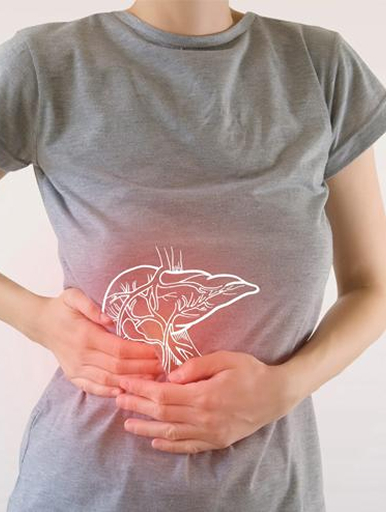
Fatty Liver Symptoms
Many people with fatty liver do not notice symptoms at first. If symptoms appear, they are often mild and can be easy to overlook. Common signs include:
- Ongoing tiredness or low energy
- A dull ache or fullness in the upper right belly
- Feeling generally run-down
- Trouble losing weight
- Weakness
- Brain fog or poor focus
- Mild discomfort after meals
- A feeling of heaviness in the abdomen
Many people do not realize they have fatty liver because it often causes few symptoms. Early assessment can help identify the condition before it becomes more serious.
What Causes Fatty Liver?
Fatty liver is rarely caused by one thing alone. It usually builds up over time from a mix of diet, metabolic and lifestyle factors. Knowing what is driving it makes the treatment plan much clearer.
Metabolic and Lifestyle Factors
These directly affect how the liver stores fat:
- Being overweight, especially around the middle
- Insulin resistance or type 2 diabetes
- High cholesterol or triglycerides
- Diets high in sugar and refined carbs
- Too much processed or fried food
- Not enough physical activity
Other Contributing Factors
These can raise the risk of fatty liver:
- Regular alcohol use
- Certain medications
- Rapid or crash weight loss
- Hormonal conditions like PCOS/PMOS or a slow thyroid
- Family history of fatty liver or diabetes
- Poor sleep or high, ongoing stress
Spotting these underlying factors matters, because lowering liver fat works best when the root causes are addressed, not just the numbers on a test.
Fatty Liver Testing and Assessment
Fatty liver is often analyzed using blood tests and imaging. Blood tests can check liver enzymes, blood sugar, and cholesterol levels, while an ultrasound can detect liver fat. Checking these results, along with your medical history, helps identify possible causes and next steps.
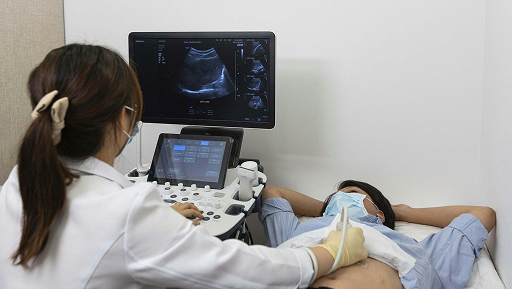
We provide support with:
- Reviewing your liver enzymes, blood sugar, and cholesterol results
- Understanding your ultrasound or imaging findings
- Checking for underlying factors like insulin resistance and diet
- Building a natural fatty liver treatment plan based on your results
A clear assessment helps us map out the most helpful path forward and set realistic goals for your liver health.
Initial Naturopathic Assessment: View Fees
HSA Eligibility
Many extended health insurance plans cover naturopathic appointments and laboratory tests ordered by a naturopathic doctor.