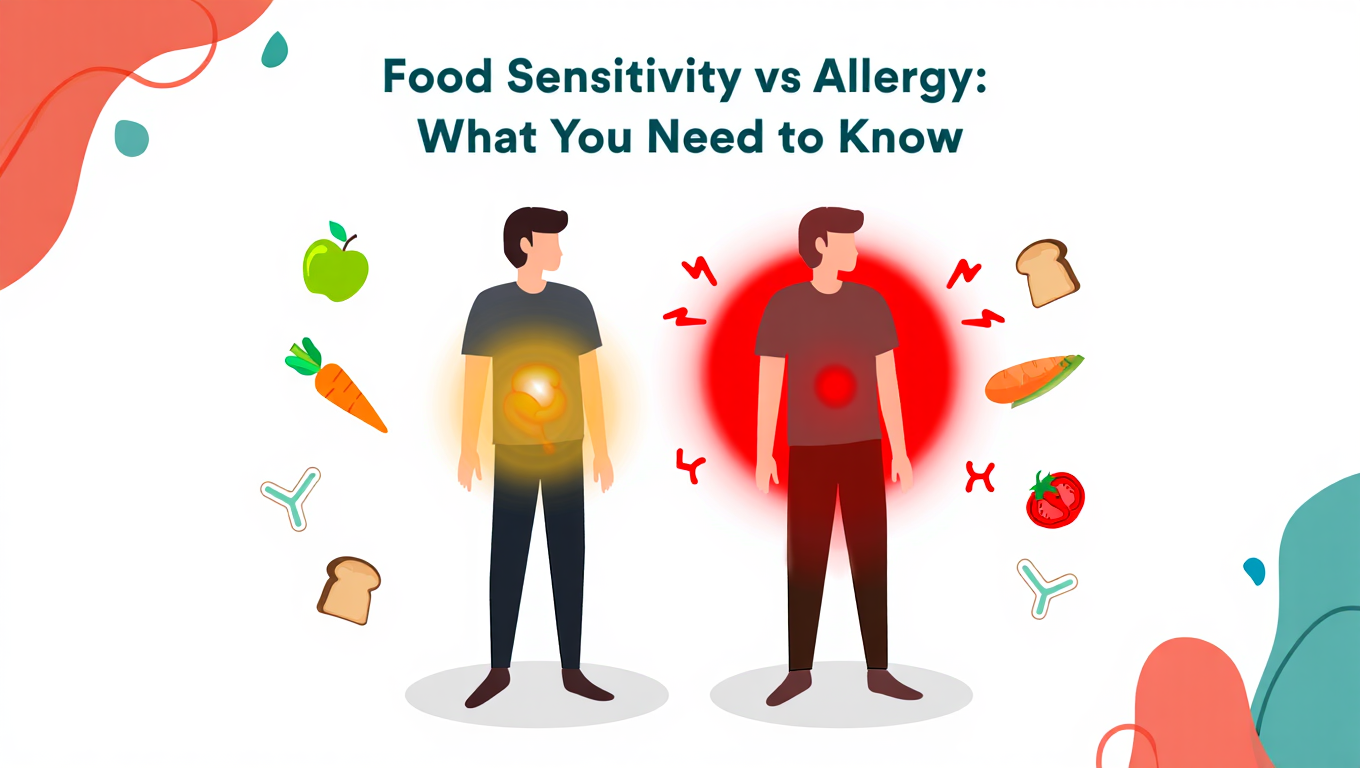
Food Sensitivity vs Allergy: What You Need to Know
 174
174
Food plays a vital role in our health, providing the nutrients our bodies need to function optimally. However, for many individuals, certain foods can trigger uncomfortable or even dangerous reactions. These reactions are often misunderstood, with terms like “food allergy” and “food sensitivity” used interchangeably. In reality, they are very different conditions with distinct causes, symptoms, and treatment approaches.
Understanding the difference between food sensitivities and allergies is essential for managing symptoms effectively and improving overall well-being, especially for those dealing with chronic conditions like fatigue, inflammation, and digestive issues.
What Is a Food Allergy?
A food allergy involves the immune system and is typically an immediate and potentially life-threatening reaction. When someone with a food allergy consumes a trigger food, their immune system mistakenly identifies it as harmful and releases chemicals like histamine.
Common food allergens include:
- Peanuts
- Tree nuts
- Dairy
- Eggs
- Shellfish
- Wheat
- Soy
Symptoms of Food Allergies
Food allergy symptoms usually appear quickly, often within minutes to a few hours, and may include:
- Hives or skin rash
- Swelling of the lips, tongue, or throat
- Difficulty breathing
- Nausea or vomiting
- Anaphylaxis (a severe, life-threatening reaction)
Because of the seriousness of allergic reactions, food allergies require strict avoidance and, in many cases, emergency medications like epinephrine.
What Is a Food Sensitivity?
Food sensitivities, also known as food intolerances, are more subtle and involve the digestive system rather than the immune system. They are typically caused by difficulty digesting certain foods or by delayed immune responses.
Unlike allergies, food sensitivities are not immediately life-threatening but can significantly impact quality of life.
Symptoms of Food Sensitivities
Symptoms are often delayed, appearing hours or even days after consuming the trigger food. These may include:
- Bloating and gas
- Digestive discomfort
- Headaches or migraines
- Fatigue
- Brain fog
- Joint pain
- Skin issues like acne or eczema
Because these symptoms are less immediate and more varied, food sensitivities can be difficult to identify without proper testing
|
Feature |
Food Allergy |
Food Sensitivity |
|
Immune Response |
Immediate (IgE-mediated) |
Delayed or non-IgE |
|
Severity |
Can be life-threatening |
Typically non-life-threatening |
|
Onset |
Minutes to hours |
Hours to days |
|
Common Symptoms |
Hives, swelling, anaphylaxis |
Digestive issues, fatigue, brain fog |
|
Testing |
Skin prick or blood tests |
Elimination diet, specialized testing |
Why Food Sensitivities Often Go Undiagnosed
Food sensitivities are notoriously difficult to detect because their symptoms are delayed and often mimic other conditions. Many individuals may experience chronic symptoms for years without realizing that their diet is a contributing factor.
For example:
- Persistent fatigue may be linked to inflammatory food triggers
- Digestive issues may be caused by intolerance to certain foods
- Brain fog and mood changes may stem from gut imbalances
This is why many people turn to a chronic fatigue naturopath for a more comprehensive evaluation of their symptoms and underlying causes.
The Link Between Food Sensitivities and Chronic Fatigue
Chronic fatigue is a complex condition that often has multiple contributing factors, including nutrient deficiencies, hormonal imbalances, and inflammation. Food sensitivities can play a significant role by triggering low-grade, ongoing inflammation in the body.
When the immune system is constantly activated due to food sensitivities, it can lead to:
- Reduced energy production
- Increased oxidative stress
- Disrupted gut health
This is where a chronic fatigue naturopath toronto approach can be particularly beneficial. By identifying food triggers and addressing underlying imbalances, individuals can experience significant improvements in energy and overall health.
How Testing Can Help Identify Food Sensitivities
Unlike food allergies, which are typically diagnosed through standard medical tests, food sensitivities often require a more functional approach.
Common Testing Methods Include:
- Elimination diets
- IgG food sensitivity testing
- Gut health assessments
- Organic acid testing
These methods help identify patterns and pinpoint specific foods that may be contributing to symptoms.
The Role of Gut Health
The gut plays a central role in both food sensitivities and overall health. A compromised gut lining, often referred to as “leaky gut,” can allow partially digested food particles to enter the bloodstream, triggering immune responses.
Poor gut health can be caused by:
- Antibiotic use
- Poor diet
- Chronic stress
- Environmental toxins
Improving gut health is a key step in managing food sensitivities and restoring balance in the body.
Naturopathic Approaches to Treatment
Naturopathic medicine focuses on identifying and addressing the root causes of health issues rather than simply managing symptoms. This approach is particularly effective for food sensitivities and related conditions.
Individuals seeking Naturopathic Treatment for Fatigue & Pain in Toronto often benefit from a comprehensive, personalized plan that includes:
1. Dietary Modifications
Eliminating trigger foods and reintroducing them systematically can help identify sensitivities and reduce inflammation.
2. Gut Healing Protocols
This may include:
- Probiotics
- Digestive enzymes
- Anti-inflammatory nutrients
3. Nutritional Support
Addressing deficiencies in vitamins and minerals supports overall health and energy levels.
4. Lifestyle Changes
Stress management, sleep optimization, and regular exercise all play a role in improving symptoms.
Managing Food Sensitivities in Daily Life
Living with food sensitivities requires awareness and consistency, but it doesn’t have to be overwhelming.
Practical Tips:
- Keep a food and symptom journal
- Read ingredient labels carefully
- Plan meals in advance
- Focus on whole, unprocessed foods
- Work with a qualified practitioner
Over time, these strategies can help reduce symptoms and improve quality of life.
When to Seek Professional Help
If you’re experiencing ongoing symptoms like fatigue, digestive discomfort, or unexplained inflammation, it may be time to seek professional guidance.
A qualified practitioner can:
- Conduct comprehensive testing
- Identify underlying causes
- Develop a personalized treatment plan
This is especially important for individuals dealing with chronic conditions that have not responded to conventional treatments.
The Importance of Personalized Care
No two individuals are the same, and neither are their responses to food. What triggers symptoms in one person may be completely harmless to another.
This is why personalized care is essential. By understanding your unique biochemistry, lifestyle, and health history, practitioners can create targeted strategies that deliver lasting results.
Frequently Asked Questions (FAQs)
1. What is the difference between a food allergy and a food sensitivity?
A food allergy involves an immediate immune system reaction that can be severe or life-threatening, while a food sensitivity is typically a delayed response that affects digestion and overall well-being. Allergies require strict avoidance, whereas sensitivities can often be managed with dietary adjustments.
2. What are the most common symptoms of food sensitivities?
Food sensitivities can cause a wide range of symptoms, including bloating, gas, fatigue, headaches, brain fog, joint pain, and skin issues. These symptoms may appear hours or even days after consuming trigger foods, making them harder to identify.
3. How can I test for food sensitivities?
Food sensitivities are often identified through elimination diets, IgG testing, and functional lab assessments. A practitioner may guide you through a structured process to pinpoint which foods are causing symptoms.
4. Can food sensitivities be cured?
Food sensitivities are not always permanent. With proper treatment such as gut healing, dietary changes, and lifestyle modifications, many people can reduce or even eliminate their sensitivities over time.
5. When should I see a naturopath for food sensitivities?
If you are experiencing ongoing symptoms like fatigue, digestive issues, or inflammation without a clear diagnosis, it may be beneficial to consult a practitioner offering Naturopathic Treatment for Fatigue & Pain in Toronto for a comprehensive and personalized approach.
6. What foods commonly cause sensitivities?
Common trigger foods include dairy, gluten, soy, eggs, and processed foods. However, sensitivities vary from person to person, which is why personalized testing and evaluation are important.
7. Can gut health affect food sensitivities?
Yes, gut health plays a major role in food sensitivities. A weakened gut lining can increase sensitivity to certain foods, so improving gut health is often a key part of treatment.
Conclusion
Food allergies and food sensitivities are often confused, but understanding their differences is crucial for effective management. While allergies involve immediate immune responses and can be life-threatening, sensitivities are more subtle and often linked to chronic symptoms like fatigue, digestive issues, and inflammation.
By identifying trigger foods and addressing underlying imbalances, particularly through naturopathic approaches, individuals can take control of their health and experience meaningful improvements in their well-being.
Whether you’re dealing with persistent fatigue, digestive concerns, or unexplained symptoms, exploring the root causes through proper testing and personalized care can be a powerful step toward long-term health.
REFERENCES
National Institute of Allergy and Infectious Diseases (NIAID). (2020). Food allergy guidelines.
https://www.niaid.nih.gov
Canadian Digestive Health Foundation (CDHF). (2022). Food intolerance and digestive health.
https://cdhf.ca
Health Canada (2023). Food allergies and intolerances.
https://www.canada.ca/en/health-canada/services/food-allergies-intolerances.html
Sicherer, S. H., & Sampson, H. A. (2014). Food allergy: Epidemiology, pathogenesis, diagnosis, and treatment. Journal of Allergy and Clinical Immunology, 133(2), 291–307.
https://doi.org/10.1016/j.jaci.2013.11.020
Lomer, M. C. E. (2015). Review article: The aetiology, diagnosis, mechanisms and clinical evidence for food intolerance. Alimentary Pharmacology & Therapeutics, 41(3), 262–275.
https://doi.org/10.1111/apt.13041