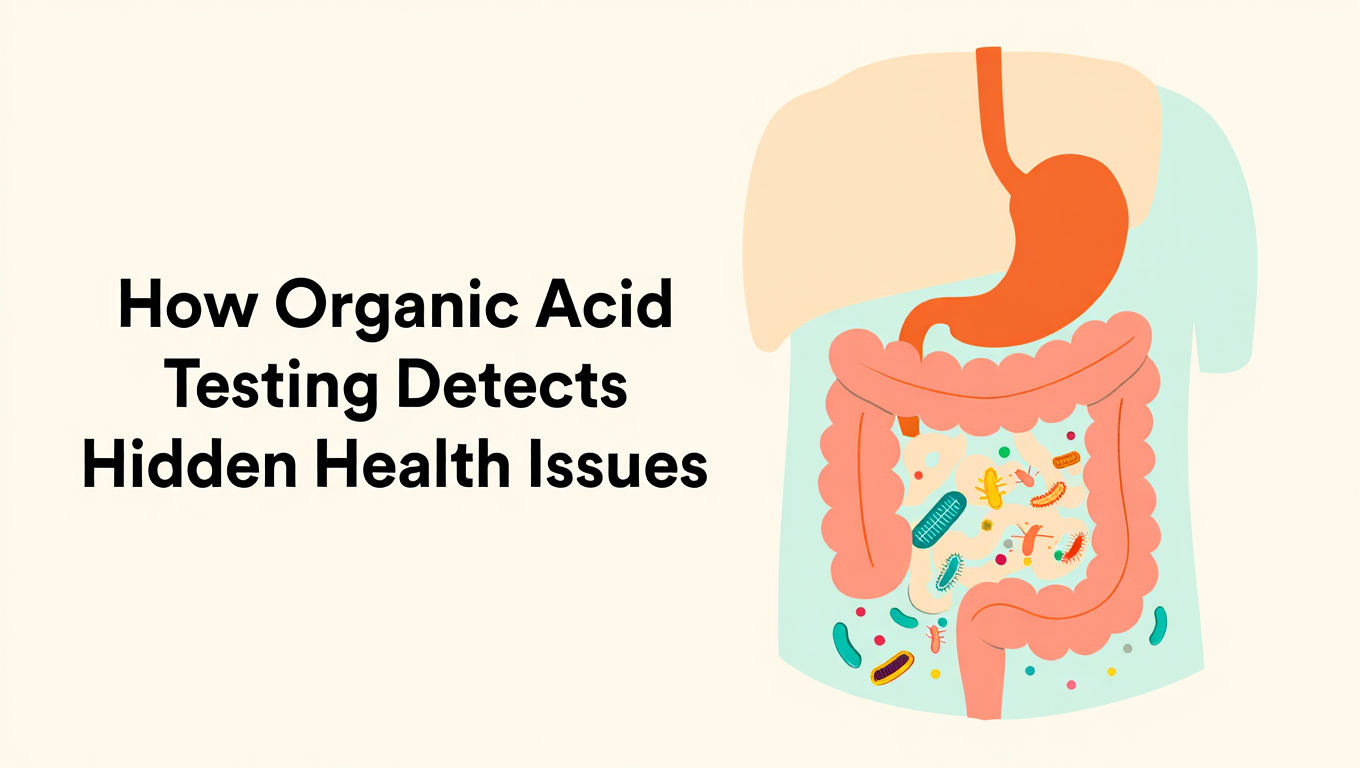
How Organic Acid Testing Detects Hidden Health Issues
 158
158
In today’s fast-paced world, many individuals experience persistent health concerns that often go undiagnosed. Symptoms like fatigue, digestive discomfort, brain fog, and recurring inflammation are frequently treated individually rather than at their root cause. This is where Organic Acid Testing (OAT) plays a crucial role.
Organic Acid Testing is a powerful diagnostic tool that provides deep insight into metabolic processes, gut health, nutrient deficiencies, and toxin exposure. Unlike conventional testing methods that focus on isolated markers, OAT evaluates how different systems in the body interact, helping uncover hidden imbalances that may be affecting overall well-being.
This blog explores how Organic Acid Testing works, what it reveals, and how it helps detect underlying health issues before they escalate into chronic conditions.
What Is Organic Acid Testing?
Organic Acid Testing is a non-invasive urine test that measures metabolic byproducts known as organic acids. These compounds are produced during various biochemical processes in the body, including digestion, energy production, detoxification, and neurotransmitter activity.
By analyzing these markers, healthcare practitioners can identify dysfunctions in key areas such as:
- Gut microbiome balance
- Nutrient absorption
- Mitochondrial function (energy production)
- Detoxification pathways
- Neurotransmitter levels
The test provides a comprehensive snapshot of your internal health, making it particularly useful in functional and naturopathic medicine.
Why Hidden Health Issues Often Go Undetected
Many chronic symptoms develop gradually and may not show up in standard blood tests. Traditional diagnostics often focus on disease identification rather than early-stage dysfunction.
For example:
- You may feel constant fatigue despite normal blood reports
- Digestive discomfort may persist without a clear diagnosis
- Hormonal imbalances may not be evident until symptoms worsen
Organic Acid Testing bridges this gap by detecting subtle imbalances at the cellular level. It allows practitioners to intervene early and create personalized treatment plans.
Key Health Areas Evaluated by Organic Acid Testing
1. Gut Health and Microbial Imbalance
One of the most valuable aspects of OAT is its ability to assess gut health. It identifies the presence of harmful bacteria, yeast overgrowth (like Candida), and imbalances in beneficial microbes.
Poor gut health is often linked to:
- Bloating and indigestion
- Food sensitivities
- Skin issues
- Mood disorders
Many individuals seeking acid reflux natural treatment options may actually have underlying gut imbalances that contribute to their symptoms. OAT helps pinpoint these issues, enabling targeted interventions.
2. Nutritional Deficiencies
Even with a balanced diet, your body may not be absorbing essential nutrients effectively. Organic Acid Testing evaluates markers associated with deficiencies in:
- Vitamin B complex
- Magnesium
- Antioxidants
- Amino acids
These deficiencies can lead to fatigue, poor concentration, and weakened immunity. Identifying them early allows for precise supplementation rather than guesswork.
3. Energy Production and Mitochondrial Function
Mitochondria are the “powerhouses” of your cells. When they are not functioning properly, it can result in chronic fatigue, muscle weakness, and reduced stamina.
OAT measures markers related to energy production pathways, helping detect inefficiencies in how your body generates energy. This is particularly beneficial for individuals experiencing unexplained fatigue or burnout.
4. Detoxification and Toxin Exposure
Your body is constantly exposed to environmental toxins, including pollutants, chemicals, and heavy metals. Organic Acid Testing evaluates how efficiently your body detoxifies these substances.
Poor detoxification can lead to:
- Headaches
- Hormonal imbalance
- Skin problems
- Digestive issues
Supporting detox pathways can significantly improve overall health and vitality.
5. Neurotransmitter Balance and Mental Health
Organic acids also provide insights into neurotransmitter activity, including serotonin, dopamine, and GABA levels. These chemicals regulate mood, focus, and sleep.
Imbalances may contribute to:
- Anxiety and depression
- Brain fog
- Sleep disturbances
By identifying these imbalances, practitioners can recommend targeted therapies to support mental well-being.
Organic Acid Testing and Digestive Health
Digestive issues are among the most common reasons people seek functional testing. Conditions like bloating, acid reflux, and irregular bowel movements often stem from deeper imbalances.
Organic Acid Testing can help uncover:
- Yeast overgrowth
- Bacterial imbalances
- Poor digestion of fats and proteins
For those looking for natural heartburn relief, understanding the root cause is essential. Instead of relying solely on symptom management, OAT enables a more holistic approach that addresses underlying dysfunctions.
Personalized Treatment Through OAT
One of the biggest advantages of Organic Acid Testing is its ability to guide personalized treatment plans. Based on the results, practitioners can recommend:
- Dietary modifications
- Targeted supplements
- Probiotics and gut-healing protocols
- Detox support strategies
- Lifestyle changes
This individualized approach ensures better outcomes compared to generalized treatments.
For example, individuals exploring natural cures for reflux may benefit from specific dietary adjustments and gut-healing strategies identified through OAT results.
Who Should Consider Organic Acid Testing?
Organic Acid Testing is beneficial for a wide range of individuals, especially those experiencing:
- Chronic fatigue
- Digestive issues (bloating, reflux, IBS)
- Brain fog or poor concentration
- Mood disorders
- Frequent infections
- Hormonal imbalances
It is particularly useful for individuals who have not found answers through conventional testing methods.
The Role of Naturopathic Medicine
Organic Acid Testing is widely used in naturopathic and functional medicine practices. These approaches focus on identifying and treating the root cause of illness rather than just managing symptoms.
Many people turn to naturopathic remedies for acid reflux when conventional treatments fail to provide lasting relief. By using tools like OAT, naturopathic practitioners can create targeted strategies that address the underlying causes of reflux, such as gut imbalance or nutrient deficiencies.
Benefits of Early Detection
Early detection of imbalances offers several advantages:
- Prevents progression into chronic disease
- Reduces dependency on medications
- Improves overall quality of life
- Enhances energy and mental clarity
Organic Acid Testing empowers individuals to take a proactive approach to their health, rather than reacting to symptoms after they worsen.
Limitations to Consider
While Organic Acid Testing is highly informative, it should not be used in isolation. It works best when combined with:
- Clinical evaluation
- Patient history
- Other diagnostic tests
Interpreting OAT results requires expertise, so it’s important to work with a qualified healthcare practitioner.
The Future of Functional Diagnostics
As healthcare continues to evolve, there is a growing shift toward personalized and preventative medicine. Organic Acid Testing represents a step forward in understanding the body at a deeper level.
With increasing awareness of gut health, metabolic function, and holistic wellness, tools like OAT are becoming essential for both practitioners and patients.
Frequently Asked Questions (FAQs)
1. What is Organic Acid Testing (OAT)?
Organic Acid Testing is a urine-based diagnostic test that measures metabolic byproducts called organic acids. It helps assess gut health, nutrient levels, energy production, and detoxification processes in the body.
2. How does Organic Acid Testing detect hidden health issues?
OAT identifies imbalances at a cellular level by analyzing metabolic markers. These imbalances often appear before symptoms show up in conventional blood tests, allowing early detection of underlying health concerns.
3. What conditions can Organic Acid Testing help identify?
It can help detect issues related to gut dysbiosis, yeast overgrowth (like Candida), nutritional deficiencies, mitochondrial dysfunction, toxin exposure, and neurotransmitter imbalances.
4. Is Organic Acid Testing accurate and reliable?
Yes, when interpreted by a qualified healthcare practitioner, OAT provides valuable insights into metabolic and biochemical functions. However, it should be used alongside clinical evaluation and other tests for a complete diagnosis.
5. Who should consider taking an Organic Acid Test?
Individuals experiencing chronic fatigue, digestive issues, brain fog, mood disorders, or unexplained symptoms may benefit from OAT, especially if conventional tests have not provided clear answers.
6. Can Organic Acid Testing help with digestive problems like acid reflux?
Yes, OAT can identify underlying causes such as gut imbalance, poor digestion, or yeast overgrowth, which may contribute to symptoms like acid reflux, bloating, and indigestion.
Conclusion
Organic Acid Testing offers a comprehensive and insightful approach to detecting hidden health issues. By analyzing metabolic markers, it uncovers imbalances that often go unnoticed in traditional testing.
From gut health and nutrient deficiencies to detoxification and mental well-being, OAT provides a roadmap for personalized healing. Instead of masking symptoms, it empowers individuals to address the root causes of their health concerns.
If you’ve been struggling with unresolved symptoms or are seeking a more holistic approach to wellness, Organic Acid Testing could be a valuable step toward better health.
REFERENCES
Canadian Institutes of Health Research (2021).
Personalized Medicine and Biomarker Research.
https://cihr-irsc.gc.ca
Environmental and Workplace Health: Chemical Exposure and Human Health.
https://www.canada.ca/en/health-canada.html
Katsoulis, M., et al. (2019). Metabolic biomarkers and chronic disease risk. Nature Reviews Endocrinology.
Rothschild, D., et al. (2018). Environment dominates over host genetics in shaping human gut microbiota. Nature.
https://doi.org/10.1038/nature25973
Wishart, D. S., et al. (2018). HMDB 4.0: The Human Metabolome Database for 2018. Nucleic Acids Research, 46(D1), D608–D617.
https://doi.org/10.1093/nar/gkx1089