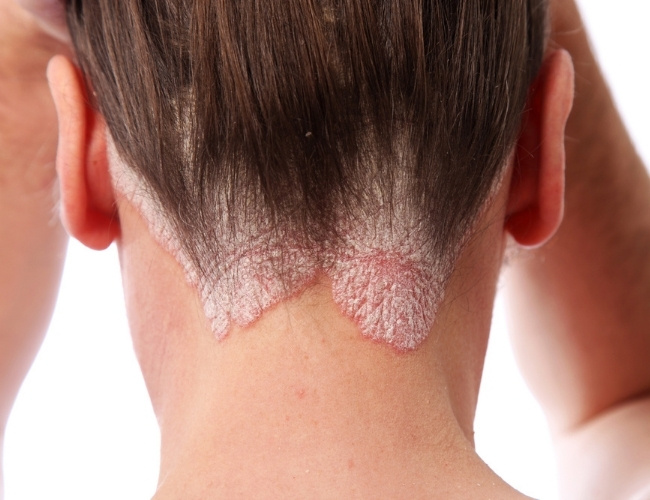







Psoriasis is a chronic autoimmune skin condition that causes skin cells to build up rapidly, leading to red, inflamed, and scaly patches.
Personalized Psoriasis Care for Healthier Skin and Improved Well-Being
Psoriasis is a chronic autoimmune skin condition that can affect much more than your appearance. Persistent redness, itching, scaling, irritation, and discomfort can impact daily activities, confidence, sleep quality, and overall well-being. While symptoms may come and go, many individuals struggle with recurring flare-ups that require ongoing management and support.
At 8 Wellness, we provide personalized psoriasis treatment Oakville patients can trust. Our holistic approach focuses on understanding the factors contributing to your symptoms while developing individualized treatment plans that support both skin health and overall wellness.
Whether you’re dealing with plaque psoriasis, scalp psoriasis, guttate psoriasis, or searching for effective inverse psoriasis treatment, our goal is to help you manage symptoms, reduce flare-ups, and improve your quality of life through comprehensive care.
What Is Psoriasis?
Psoriasis is a chronic inflammatory autoimmune condition that causes skin cells to multiply much faster than normal. As a result, skin cells build up on the surface of the skin, creating thick, red, inflamed patches that are often covered with silvery scales.
Psoriasis can affect people of all ages and may range from mild to severe. Symptoms often occur in cycles, with periods of flare-ups followed by times when symptoms improve.
Although psoriasis primarily affects the skin, it is now recognized as a systemic inflammatory condition that may also impact other aspects of health.
Common Symptoms of Psoriasis
Symptoms can vary depending on the type of psoriasis and the severity of the condition.
Common symptoms include:
- Red patches of skin
- Silvery-white scales
- Dry or cracked skin
- Itching and burning sensations
- Skin tenderness
- Thickened or raised plaques
- Flaking skin
- Scalp irritation
- Nail changes
Some individuals may also experience joint pain and stiffness associated with psoriatic arthritis.
Types of Psoriasis
Understanding the type of psoriasis you have is important when developing an effective treatment plan.
Plaque Psoriasis
Plaque psoriasis is the most common form and appears as raised, inflamed patches covered with silvery scales. These plaques commonly occur on the:
- Elbows
- Knees
- Lower back
- Scalp
Scalp Psoriasis
Scalp psoriasis can cause:
- Flaking
- Itching
- Redness
- Dryness
- Visible scales along the hairline
Symptoms may range from mild dandruff-like scaling to more extensive plaques.
Guttate Psoriasis
Guttate psoriasis appears as small, drop-shaped spots and is often triggered by infections such as strep throat.
Pustular Psoriasis
This less common form involves pus-filled blisters surrounded by inflamed skin.
Inverse Psoriasis
Inverse psoriasis develops in skin folds where moisture and friction are common.
Affected areas may include:
- Underarms
- Groin
- Under the breasts
- Between skin folds
Unlike plaque psoriasis, inverse psoriasis often appears as smooth, red, inflamed patches rather than thick scales.
Because these sensitive areas require specialized care, developing an appropriate inverse psoriasis treatment plan is particularly important for managing symptoms and preventing irritation.