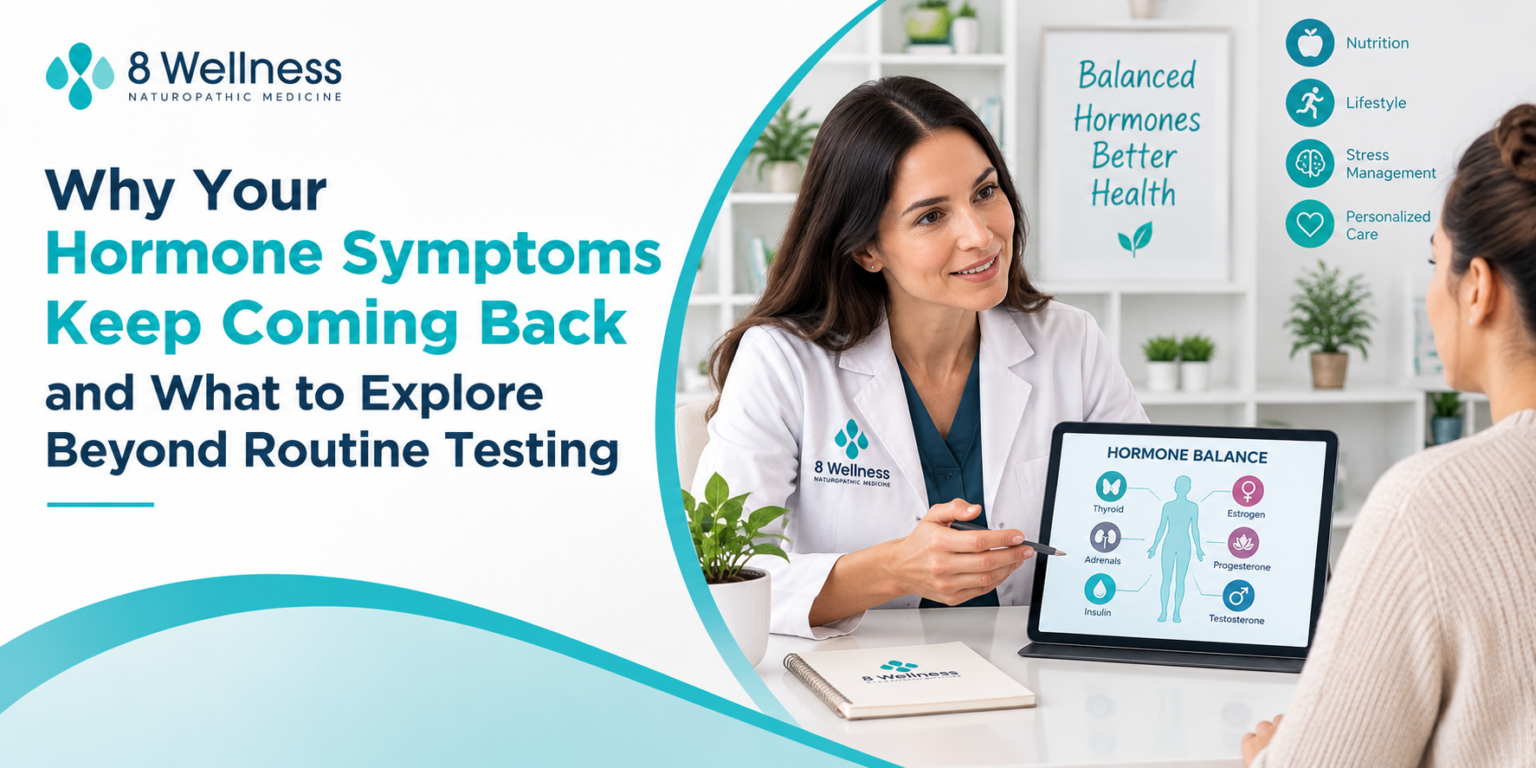
Why Your Hormone Symptoms Keep Coming Back and What to Explore Beyond Routine Testing
 74
What if your test results look normal, but you still don’t feel like yourself? When your energy keeps dropping, your mood feels unpredictable, or cycle-related symptoms keep returning, it’s natural to wonder whether something important is being missed. Routine testing can provide useful information, but it may not always answer every question about ongoing symptoms. Depending on your individual concerns, exploring your health more closely, including options such as a DUTCH hormone test, may help you have a more informed conversation with your healthcare provider.
Why Do Hormone Symptoms Keep Returning?
Hormone-related symptoms can be difficult because they often change over time. You may feel better for a few weeks, then notice fatigue, PMS, sleep problems, mood changes, or other concerns returning.
Several factors can affect how you feel, and sometimes more than one thing is involved. That is why viewing your symptoms as a pattern, rather than treating each concern separately, can help.
What Should You Pay Attention to When Symptoms Keep Coming Back?
The timing of your symptoms can be helpful information. Instead of looking at just how you feel right now, consider whether there is some pattern of symptoms that occurs regularly in the month, or whether stress aggravates your condition. You might want to chart the following:
- Changes in your energy throughout the day
- Sleep problems or changes in sleep quality
- Mood changes and stress levels
- PMS or menstrual cycle symptoms
- Changes in your skin or weight
Sharing these patterns with a healthcare provider can help create a clearer picture of what may be worth exploring.
Could Your Daily Routine Be Playing a Role?
Sleep, stress, eating habits, and physical activity can all affect your overall well-being. This doesn’t mean lifestyle is always the answer, but these factors can sometimes influence how symptoms appear and change.
Looking closely at your daily routine alongside your health history can help you spot patterns you may not have noticed before.
What Can You Explore Beyond Routine Testing?
If you continue to experience symptoms without clear answers, the next step may be to discuss other options with a qualified healthcare provider. The right approach will depend on your symptoms, health history, and individual needs.
People looking for Mississauga Naturopathic Services may benefit from a more personalized discussion about concerns that continue to affect their daily lives. This can include a bigger-picture view rather than focusing on a single symptom.
Is a More Detailed Hormone Assessment Worth Considering?
In some situations, we may discuss additional testing as part of a broader health assessment. A DUTCH hormone test is one option that looks at hormone patterns and how certain hormones are processed.
Testing alone doesn’t provide every answer, but it can offer useful information when considered alongside your symptoms, health history, and other relevant factors.
Why Is Looking at the Whole Picture Important?
It is easy to separate symptoms into different problems. You might look at fatigue, poor sleep, mood changes, and cycle concerns individually. However, these issues can sometimes overlap. A broader assessment may involve discussing:
- Your personal and family health history
- Current symptoms and when they started
- Sleep and stress patterns
- Nutrition and lifestyle habits
- Previous testing and treatment history
For those exploring Mississauga Naturopathic Services, this personalized approach can help guide a conversation about appropriate next steps.
Conclusion
Ongoing hormone symptoms can be frustrating, especially when you keep dealing with them without really knowing why. You may have had routine testing done but still feel like you don’t have a clear answer. If certain symptoms keep coming back, it may be worth taking a closer look at what could be contributing to them and discussing your concerns with a qualified healthcare provider.
Exploring additional testing does not mean replacing regular medical care. It simply means looking at your symptoms from another angle when it feels like there may be more to understand.
Frequently Asked Questions
Can hormone symptoms return even after getting better?
Yes. Symptoms can change over time, and factors such as stress, sleep, lifestyle, and other health concerns may play a role.
What symptoms can be associated with hormonal changes?
Fatigue, mood changes, PMS, irregular cycles, sleep difficulties, and skin changes may sometimes be associated with hormonal changes.
Should I seek help if my symptoms continue?
If symptoms continue or affect your daily life, consulting with an expert healthcare provider can help you understand what options may be appropriate.