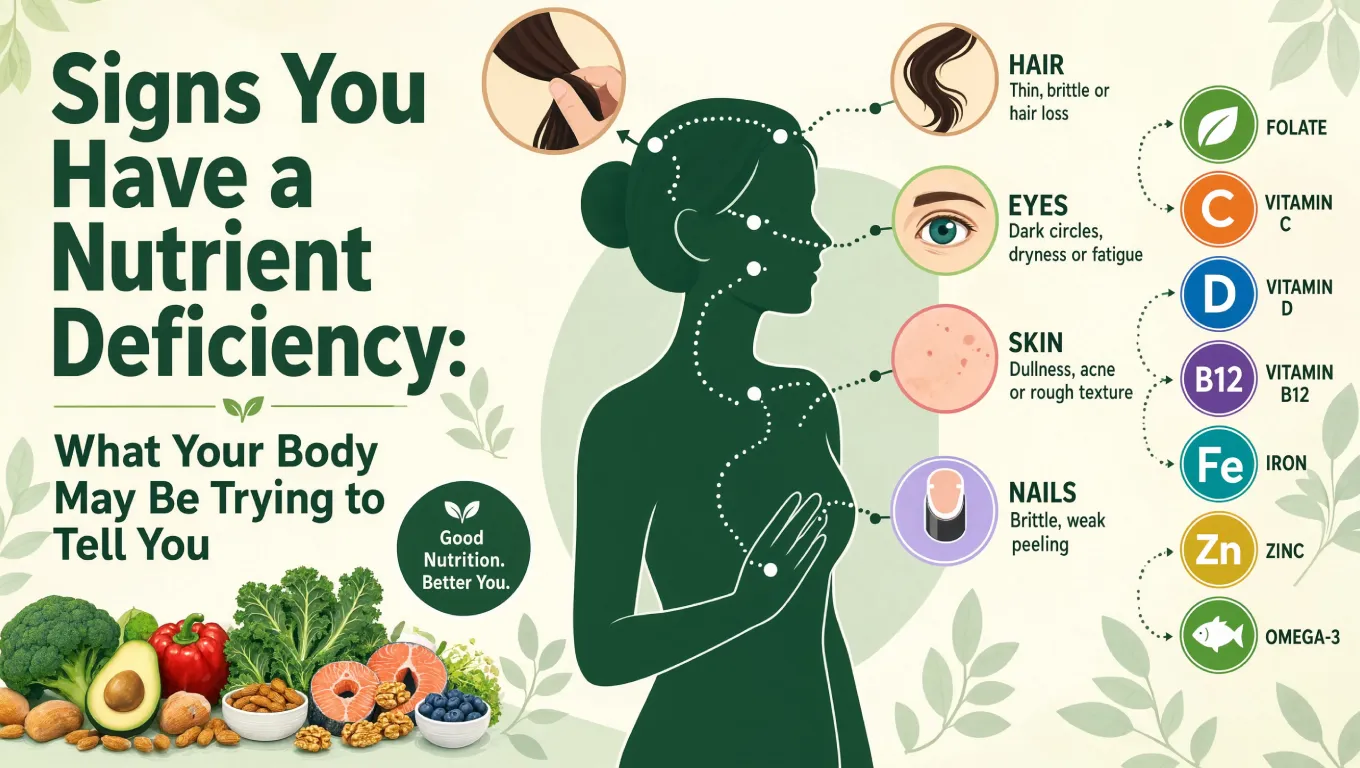
Signs You Have a Nutrient Deficiency: What Your Body May Be Trying to Tell You
 284
284
Your body depends on vitamins, minerals, healthy fats, and other nutrients to function properly every day. When nutrient levels become too low, the body often sends warning signs long before serious health problems develop. Unfortunately, many people ignore these symptoms or mistake them for stress, aging, or lack of sleep.
Nutrient deficiencies can affect energy levels, mood, digestion, immunity, skin health, and even brain function. In today’s fast-paced lifestyle, poor eating habits, digestive disorders, stress, restrictive diets, and chronic health conditions can all increase the risk of deficiencies.
Recognizing the early signs can help you take action before the problem worsens. Whether you are considering dietary improvements, speaking with a virtual naturopathic doctor, or seeking personalized wellness support, understanding nutrient deficiencies is an important step toward better health.
What Causes Nutrient Deficiencies?
Nutrient deficiencies occur when the body does not receive enough essential nutrients or cannot properly absorb them.
Common causes include:
- Poor dietary habits
- Highly processed foods
- Digestive disorders
- Chronic stress
- Food intolerances
- Medication side effects
- Restrictive diets
- Poor gut health
- Aging-related absorption issues
Even individuals who eat regularly may still experience deficiencies if their digestive system is not efficiently absorbing nutrients.
In some cases, a professional naturopathic consultation may help identify dietary patterns, lifestyle factors, or digestive concerns contributing to low nutrient levels.
Common Signs of Nutrient Deficiency
1. Constant Fatigue and Low Energy
One of the most common warning signs is persistent tiredness. If you regularly feel exhausted despite getting enough sleep, your body may be lacking essential nutrients involved in energy production.
Possible deficiencies include:
- Iron
- Vitamin B12
- Magnesium
- Vitamin D
- Folate
Iron deficiency, in particular, can reduce oxygen transport throughout the body, leading to weakness, dizziness, and fatigue.
Low energy can also result from chronic inflammation, stress, or poor dietary balance.
2. Frequent Illness or Weak Immunity
Your immune system relies heavily on proper nutrition. If you seem to catch colds often or take longer to recover from infections, nutrient deficiencies may be affecting immune function.
Important nutrients for immunity include:
- Vitamin C
- Zinc
- Vitamin D
- Selenium
- Protein
Research has shown that vitamin D deficiency is common in Canada, especially during winter months with reduced sunlight exposure.
3. Hair Loss or Brittle Hair
While some hair shedding is normal, excessive hair loss may indicate nutritional imbalances.
Possible nutrient deficiencies linked to hair health include:
- Iron
- Zinc
- Biotin
- Protein
- Essential fatty acids
Crash dieting or long-term restrictive eating habits can sometimes contribute to noticeable hair thinning.
4. Dry Skin and Skin Problems
Your skin often reflects your internal health. Dryness, rashes, acne, or flaky skin may signal that the body is lacking important nutrients.
Deficiencies commonly associated with skin issues include:
- Vitamin A
- Vitamin E
- Omega-3 fatty acids
- Zinc
- Vitamin C
Proper hydration and healthy fat intake are also important for maintaining skin barrier function.
5. Brain Fog and Difficulty Concentrating
Nutrient deficiencies can affect cognitive performance and mental clarity.
Symptoms may include:
- Poor memory
- Difficulty focusing
- Mental fatigue
- Mood changes
- Irritability
Low levels of vitamin B12, iron, omega-3 fatty acids, and magnesium have all been linked to impaired brain function and reduced concentration.
Chronic stress can further increase nutrient depletion and worsen cognitive symptoms.
6. Muscle Cramps and Weakness
Frequent muscle cramps, twitching, or weakness may indicate electrolyte or mineral imbalances.
Possible deficiencies include:
- Magnesium
- Potassium
- Calcium
- Vitamin D
Magnesium plays a major role in muscle relaxation and nerve function, yet many adults do not consume enough magnesium-rich foods.
7. Digestive Problems
Digestive symptoms may both cause and result from nutrient deficiencies.
Common symptoms include:
- Bloating
- Constipation
- Diarrhea
- Acid reflux
- Poor appetite
Conditions such as celiac disease, inflammatory bowel disease, and chronic gut inflammation can interfere with nutrient absorption.
Supporting digestive health through dietary improvements and appropriate naturopathic remedies may help improve nutrient utilization in some individuals.
8. Mood Changes and Anxiety
Nutrition has a significant impact on emotional health and nervous system regulation.
Deficiencies in the following nutrients may contribute to mood-related symptoms:
- Vitamin D
- Magnesium
- Omega-3 fatty acids
- B vitamins
- Iron
Low nutrient intake may affect neurotransmitter production, which influences mood, stress response, and emotional balance.
9. Slow Wound Healing
If cuts, bruises, or injuries take longer than usual to heal, nutritional status may be playing a role.
Healing depends on nutrients such as:
- Vitamin C
- Zinc
- Protein
- Vitamin A
Poor nutrition may impair collagen production and immune response, slowing tissue repair.
10. Pale Skin or Dark Circles
Pale skin can sometimes indicate anemia or iron deficiency, particularly when accompanied by fatigue or shortness of breath.
Dark circles under the eyes may also be linked to:
- Iron deficiency
- Poor sleep
- Chronic stress
- Dehydration
Blood testing can help identify underlying deficiencies contributing to these symptoms.
How Nutrient Deficiencies Are Diagnosed
Healthcare providers typically evaluate symptoms, diet, medical history, and laboratory results.
Common testing methods include:
- Complete blood count (CBC)
- Iron studies
- Vitamin D testing
- B12 and folate levels
- Magnesium testing
- Thyroid function tests
A qualified healthcare professional like a Naturopathic Doctor or functional medicine doctor may also assess lifestyle factors, stress levels, digestive health, and long-term dietary habits when creating a personalized wellness strategy.
Who Is Most at Risk?
Certain groups may face a higher risk of nutrient deficiencies, including:
- Older adults
- Pregnant women
- Vegetarians and vegans
- Individuals with digestive disorders
- People under chronic stress
- Those following restrictive diets
- Individuals with chronic illnesses
Lifestyle factors such as poor sleep, alcohol use, smoking, and high stress can also increase nutrient demands within the body.
Natural Ways to Support Nutrient Levels
Focus on Whole Foods
A nutrient-rich diet remains one of the best ways to support overall health.
Include foods such as:
- Leafy greens
- Fruits and vegetables
- Lean proteins
- Nuts and seeds
- Healthy fats
- Whole grains
Eating a wide variety of colorful foods helps increase nutrient diversity.
Improve Digestive Health
Healthy digestion is essential for nutrient absorption.
Strategies may include:
- Eating slowly
- Managing stress
- Staying hydrated
- Increasing fiber intake
- Reducing ultra-processed foods
Supporting gut health may improve the body’s ability to absorb and utilize nutrients effectively.
Address Chronic Stress
Long-term stress can deplete nutrients such as magnesium and B vitamins.
Helpful stress-management techniques include:
- Meditation
- Exercise
- Deep breathing
- Sleep optimization
- Time outdoors
Reducing stress can support both digestion and nutrient balance.
Use Supplements Carefully
Supplements may help correct deficiencies, but they should not replace a healthy diet.
Excessive supplementation can sometimes create imbalances or interact with medications. It is always best to seek professional guidance before starting high-dose supplements.
Final Thoughts
Nutrient deficiencies can affect nearly every part of the body, from energy and immunity to mood and digestion. Because symptoms often develop gradually, they are easy to overlook or dismiss.
Paying attention to early warning signs and maintaining a nutrient-rich lifestyle can help support long-term wellness. If symptoms persist, professional evaluation and proper testing may help identify underlying deficiencies and guide appropriate care.
Taking a proactive approach to nutrition today may help prevent more serious health concerns in the future.
Frequently Asked Questions (FAQs)
1. What are the most common nutrient deficiencies?
Some of the most common deficiencies include vitamin D, iron, magnesium, vitamin B12, calcium, and zinc.
2. Can nutrient deficiencies cause fatigue?
Yes. Low levels of iron, vitamin B12, vitamin D, and magnesium are commonly associated with fatigue and low energy.
3. How do I know if I have a deficiency?
Symptoms such as hair loss, brain fog, muscle cramps, pale skin, and frequent illness may indicate deficiencies. Blood testing is often used for diagnosis.
4. Can digestive problems affect nutrient absorption?
Yes. Conditions affecting the digestive system can reduce the body’s ability to absorb vitamins and minerals properly.
5. Are supplements always necessary?
Not always. Many mild deficiencies can improve through dietary and lifestyle changes, though some individuals may benefit from supplements under professional supervision.
6. Can stress contribute to nutrient depletion?
Yes. Chronic stress may increase the body’s demand for nutrients such as magnesium, B vitamins, and vitamin C.
References
- Health Canada. (2023). Vitamins and minerals for healthy living.
https://www.canada.ca/en/health-canada/services/food-nutrition.html - National Institutes of Health Office of Dietary Supplements. (2024). Vitamin and mineral fact sheets.
https://ods.od.nih.gov - Harvard T.H. Chan School of Public Health. (2023). The nutrition source: Vitamins and minerals.
https://www.hsph.harvard.edu/nutritionsource - Gröber, U., et al. (2015). Magnesium in prevention and therapy. Nutrients, 7(9), 8199–8226.
https://doi.org/10.3390/nu7095388 - Gombart, A. F., et al. (2020). A review of micronutrients and the immune system. Nutrients, 12(1), 236.
https://doi.org/10.3390/nu12010236 - O’Leary, F., & Samman, S. (2010). Vitamin B12 in health and disease. Nutrients, 2(3), 299–316.
https://doi.org/10.3390/nu2030299